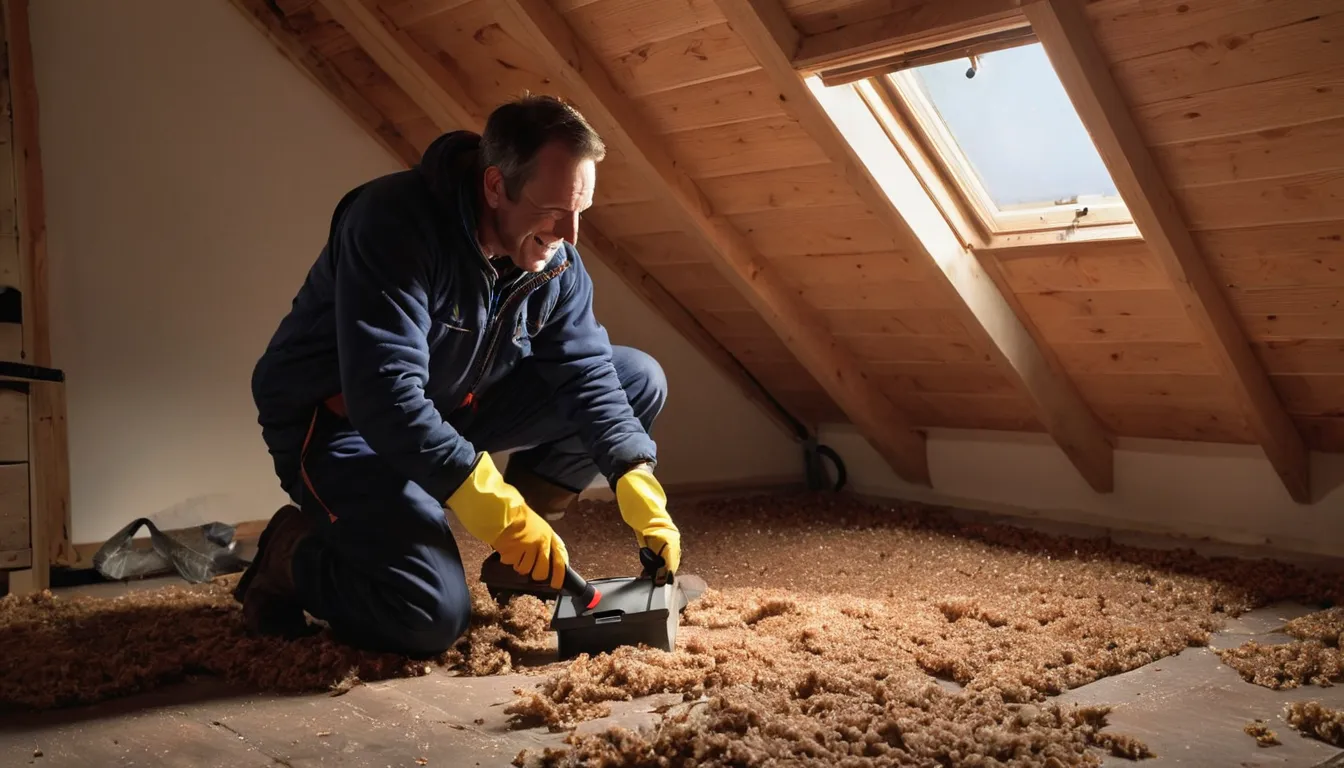
Rodent & Wildlife Removal Services
Request an estimate from a local provider
Finding a mouse, rat, squirrel or raccoon in your home is stressful, especially if you have never dealt with it before. Many people hope the animal will leave by itself. Most of the time it does not, because your home offers warmth, food and shelter.
Implementedrunning Pest Control is a referral service. We do not do the work. We connect homeowners in Danbury and the Danbury area with independent providers in our network who handle inspection, removal, sealing and cleanup. This page explains the process in plain words, clears up a few myths, and shows what affects the price, so you can ask better questions before you sign anything.
Scratching in the Attic or Walls? Start Here
Hearing something run across the ceiling at night is unsettling, especially the first time. Take a breath. It is a common problem, and local providers deal with it every week.
Implementedrunning Pest Control is a referral service. A provider in our network does the inspection, removal and repairs. You can request an estimate to get started.
Myth: "It Will Leave on Its Own"
A lot of people think a mouse or squirrel will wander off after a few days. In practice, your attic is warm, dry and safe. Animals stay where they find shelter. Waiting usually means more droppings, more chewing and sometimes a bigger family.
Why Timing Matters
Mice can breed inside a heated home all year. Rats gnaw on wires and pipes. In spring, squirrels and raccoons may have babies in your attic, and removing a mother the wrong way can leave young behind. Acting early keeps the job smaller and safer. Many providers can respond quickly, so Request a callback to check provider availability.
Signs You Have Visitors
Look and listen for these clues:
- Scratching, thumping or rolling sounds, often at dusk or overnight
- Droppings in drawers, corners, the attic or along basement walls
- Gnawed wood, wires, boxes or food packaging
- Greasy rub marks along walls and beams
- A musty or sharp smell that gets stronger over time
- Torn insulation or nesting material
- Pets staring at one spot in a wall
Myth: "I'd Spot Them if I Had Them"
Most of these animals are shy and active at night. You may never see one. The signs show up first, so trust the noises and the droppings.
Why Cold Climates Bring Animals Indoors
Cold, snowy winters send animals looking for heat. Thaw cycles and coastal storms can open new cracks in stone and block foundations. Older homes often have gaps around pipes, sill plates and vents. Full basements give mice an easy path upward. Cape Cod style homes have small attic spaces and knee-wall areas where animals nest unseen. In multi-family buildings, a problem next door can travel through shared walls.
Animals Providers Commonly Handle
- Mice and rats: the most frequent callers, found in walls, basements and kitchens
- Squirrels and chipmunks: attic nesting and chewing on wood and wiring
- Raccoons: heavy damage to roofs, vents and chimneys
- Opossums and skunks: under porches, decks and sheds
- Bats: roosting in attics, often needing special handling
Why Bats Are a Special Case
Myth, then reality: people think any animal can simply be sealed out. With bats, that can trap them inside and break protection rules. Many areas limit when bats can be excluded, such as during pup season. A provider will know the local timing.
How Removal Works, Step by Step
A typical visit starts with an inspection of the attic, basement, roofline and foundation. The provider identifies the animal and finds the entry points. Next comes removal, often with traps or one-way exits. Then the provider seals the gaps and may offer cleanup. A follow-up visit is common to confirm the activity has stopped.
Humane Handling and Local Rules
Rules differ by state and town. Some animals cannot be relocated, and some have protected seasons. Ask the provider how they handle live animals and which local rules apply. A clear answer is a good sign.
Myth: "Poison Solves It"
Poison seems easy, but it has problems. An animal may die inside a wall and cause a strong smell. Pets and children can also be at risk. Many providers lean on traps and sealing, because closing the entry points is what really stops the problem.
What Drives the Price
Cost depends on the animal, how many there are, how hard the area is to reach, and how many entry points need sealing. Cleanup and repairs add to the total. Typical U.S. ranges are in the table below, and every job is different. Get the numbers in writing.
Ask Before You Sign
Before you agree to anything, ask these questions:
- What exactly is included in the price?
- How many follow-up visits are covered?
- Will the entry points be sealed, and with what materials?
- What happens if the animals come back?
Quote in writing, always.
Choosing a Removal Provider
Searching "exterminator near me" brings up many names, but not all of them handle wildlife. Ask whether the provider does wildlife removal or only general residential pest control. Bed bug treatment, ants and roaches are different jobs with different methods. Check that the provider carries proper local licensing and insurance, and ask for proof.
Keeping Animals Out Afterward
- Seal gaps around pipes, vents and the foundation
- Cap chimneys and screen vents
- Trim branches away from the roof
- Store food and pet food in sealed containers
- Keep basement and attic spaces dry
Cleanup and Insurance Questions
Droppings and soiled insulation may need careful removal. Some policies may cover sudden damage, so check your policy. Providers can often help document damage for a claim.
What's Included
Inspection and Diagnosis
A provider checks the attic, basement and roofline to identify the animal and find every entry point.
Animal Removal
Humane traps, one-way exits and careful handling to remove animals following local rules.
Sealing Entry Points
Gaps, vents and foundation cracks closed so animals cannot return.
Cleanup and Repair
Droppings, nesting and damaged insulation removed, with repairs where needed.
Typical Rodent and Wildlife Removal Costs
Prices vary a lot by animal, home layout and how much sealing or cleanup is needed. These are typical U.S. ranges, not quotes. Always ask for a written quote before work begins.
| Service | Typical range | Notes |
|---|---|---|
| Inspection | $75 – $300 | Some providers apply it to the job if you hire them |
| Mouse trapping program | $150 – $600 | Often includes follow-up visits |
| Rat removal | $300 – $1,000 | Depends on how many and where |
| Squirrel or raccoon removal | $250 – $800 | Higher if babies are present |
| Entry point sealing | $300 – $3,000 | Depends on number of gaps and access |
| Attic cleanup and insulation | $500 – $6,000 | Depends on how much is damaged |
How It Works
Describe Your Problem
Tell us what you hear or see, and where, using the estimate request form.
Get Matched Locally
You are connected with an independent provider in our network near you.
Review the Written Quote
Check what is included, how many visits, and how entry points get sealed.
Provider Handles the Work
The provider removes the animals, seals the gaps and confirms activity has stopped.
Why Call Implementedrunning Pest Control
Plain-Language Guidance
We explain the process and myths in simple words before you talk to anyone.
Independent Providers
Providers in our network are separate local businesses that do the actual work.
Clear Costs
Learn what drives the price so a written quote makes sense to you.
No Obligation
Request an estimate and compare. You decide whether to hire anyone.
Other Services
Need rodent & wildlife removal services in Danbury?
- Plain answers for first-time homeowners
- Pests, rodents and termites
- Clear price ranges
- Estimate request online
Rodent & Wildlife Removal Services FAQ
How do I know if I have mice or rats?
Mouse droppings are small, like grains of rice. Rat droppings are larger. Scratching at night, gnawed items and grease marks along walls are other clues. A provider can confirm which animal it is during an inspection.
Is it safe to remove animals myself?
It can be risky. Animals may bite or carry disease, and droppings can be hazardous. Some species are protected by law. Many homeowners ask a local provider to handle removal and to seal entry points properly.
Does homeowners insurance cover rodent or wildlife damage?
Often not for gradual damage, but some policies may cover sudden damage. Check your policy and ask your agent. Providers can often help document damage for a claim, such as with photos and a written report.
Get in touch
Send a few details about your pest problem and request an estimate. A local provider in our network will follow up. Questions first? Email contact@implementedrunning.garden.
No obligation